
You should Spend About 20 minutes on Questions 1-14, which are based on reading passage.
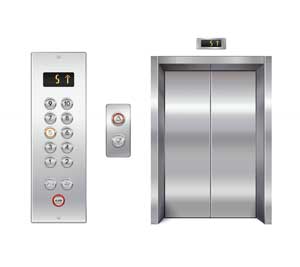
A) Elevators have become an integral part of our daily lives, facilitating vertical transportation in buildings of all shapes and sizes. From residential complexes to towering skyscrapers, elevators play a crucial role in ensuring the smooth and efficient movement of people and goods. This reading explores the history, technology, and significance of elevators, shedding light on the evolution of these vertical marvels.
B) The concept of elevators dates back to ancient times, with early civilizations using rudimentary systems powered by human or animal strength. However, it wasn’t until the 19th century that the modern elevator, as we know it today, started to take shape. Elisha Otis’s invention of the safety elevator in 1852 revolutionized the industry, making it safer and more reliable. This breakthrough paved the way for the widespread adoption of elevators in various structures.
C) Over the years, elevators have undergone significant technological advancements. From hydraulic systems to traction-based designs, engineers have continuously improved elevator efficiency, speed, and safety. The introduction of computerized control systems further enhanced their performance, allowing for precise floor-to-floor navigation and energy-efficient operation. Modern elevators are equipped with state-of-the-art features such as destination control systems, smart sensors, and regenerative drives, making them an epitome of cutting-edge technology.
D) The advent of skyscrapers in the 20th century brought about a surge in the demand for advanced elevator systems. Elevators became a key determinant of a building’s functionality and appeal, influencing architectural designs. The ability to transport people swiftly to great heights transformed the urban landscape, giving rise to iconic structures that define city skylines worldwide.
E) Safety has always been a paramount concern in the elevator industry. As elevators became more widespread, governments and regulatory bodies implemented stringent safety standards. Regular inspections, maintenance protocols, and safety features such as emergency brakes and interlocks are now integral components of elevator systems. Understanding the safety measures in place is crucial for both elevator manufacturers and the general public.
F) With the increasing focus on sustainability, the elevator industry has embraced eco-friendly practices. Energy-efficient designs, regenerative braking systems, and smart technologies contribute to reducing the environmental footprint of elevators. As buildings strive for green certifications, elevators play a role in achieving energy efficiency goals.
G) While elevators are essential for vertical transportation, social norms and etiquette govern our behavior within these confined spaces. Proper etiquette ensures a smooth and comfortable journey for everyone. This section explores common courtesy practices in elevators, emphasizing the importance of respect and consideration for fellow passengers.
H) Despite the advancements, the elevator industry faces challenges, including the need for faster and more sustainable solutions. Emerging technologies like ropeless elevators and magnetic levitation offer exciting possibilities for the future. This section delves into the challenges currently faced by the industry and explores the potential innovations that may shape the next generation of elevators.